There are moments in Scripture when the people of God pause, look honestly at themselves, and recognise that life has not unfolded as neatly as they hoped. Baruch gives us one of those moments. It isn’t a cry of despair, but a kind of communal exhale—a people naming their limits, their overwhelm, their forgetfulness. They speak of a God who has remained steady even when they have not, a God whose mercy does not withdraw when the path becomes tangled.
Many of us know that feeling. We know what it is to be out of step with expectations, to carry the weight of “shoulds,” to wonder if we’ve disappointed others or ourselves. Baruch reminds us that God meets us precisely there—not with shame, but with a steadying presence that invites us home.
Then Jesus tells a story about a vineyard where the usual rules don’t apply. Workers arrive at different times, with different energies, different capacities, different stories—and yet each is welcomed, valued, and given what they need to live. The landowner’s generosity unsettles those who measure worth by output or comparison. But Jesus is clear: in God’s economy, belonging is not earned. Grace is not a wage. No one is late. No one is less.
For communities that hold space for many ways of thinking, feeling, and moving through the world, this is good news. It tells us that God’s welcome is not based on productivity, timing, or conformity. Whether we arrive early, late, or somewhere in between, we are received with the same open‑handed love. The vineyard is wide enough for all our ways of being.
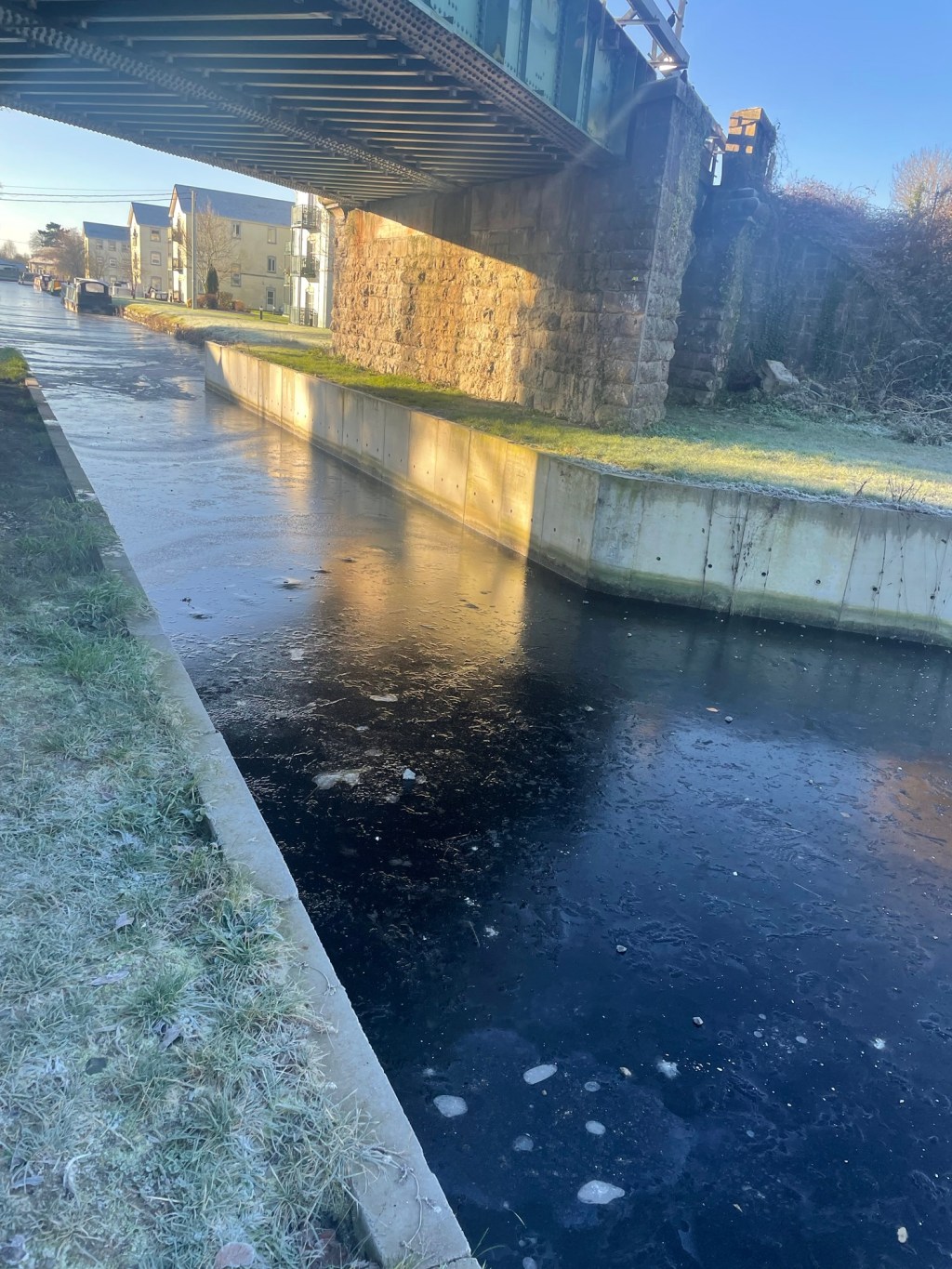
And here, in the Irish midlands—among the slow bends of the Barrow, the quiet strength of the boglands, the bridges that hold the crossings of our days—we see signs of this mercy in the land itself. Waters meet without competition. Paths cross without judgement. The landscape teaches us that God’s grace flows gently, persistently, making room for every traveller.
As we sing, we step into that truth:
that confession can be spacious,
that mercy can be generous,
that belonging can be shared,
and that God’s grace reaches us—wherever we are, whenever we arrive.
1
God of mercy, God of morning,
Hear your people as we turn;
From the paths of pride and scorning,
Lead us home where hearth-fires burn.
Through the valleys of confession,
Guide us by your steadfast hand;
Shape our hearts for new possession
Of your grace across this land.
2
By the Barrow’s gentle winding,
By the bridges arched and fair,
Where the waters meet, reminding
Us of mercy everywhere;
Canal currents keep the story
Of the love we can’t out-pace;
Still you crown the lost with glory,
Last made first by boundless grace.
3
In your vineyard, day is fleeting,
Yet you call at every hour;
None excluded from your greeting,
None denied your generous power.
Teach us, Christ, your way of giving,
Free from envy’s shadowed claim;
Make our labour, make our living
Echo mercy in your name.
4
So we rise, renewed, forgiven,
Walking ancient paths anew;
On the bridges built to heaven,
Let our spirits rest in you.
Till your dawn restores creation,
Till your justice lights the skies,
Keep us faithful in vocation,
Called as one, beloved, to rise.
Text copyright (c) 2026 Michael McFarland Campbell. All rights reserved.


 NeuroDivine
Leave a comment